
What makes central lab different from local lab? (Core service of Central lab)

What makes central lab different from local lab?
(4 Core service of Central lab)
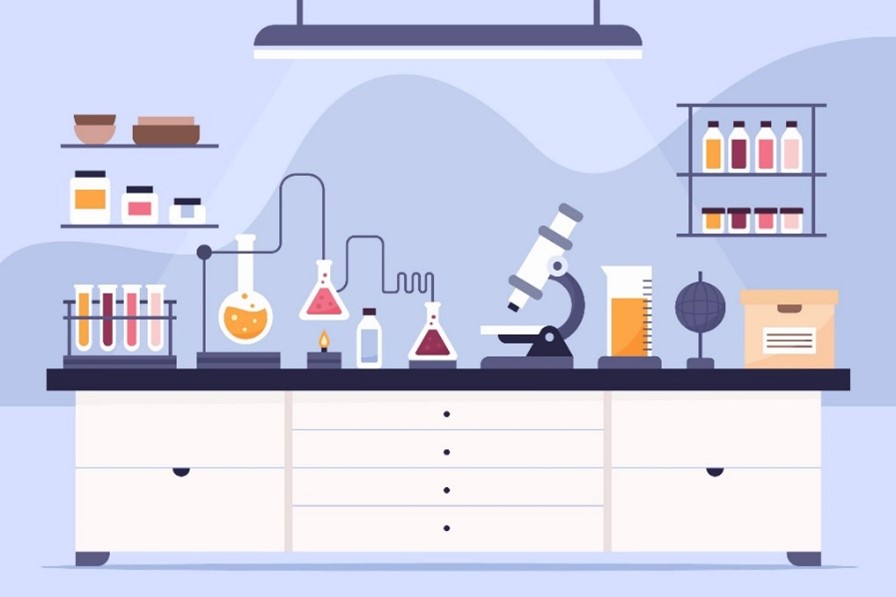
As the quality of clinical trial has become advanced, the demand for central lab has increased too. However, it’s not easy to define what it is exactly. Today, I will explain the major role and characteristic of central lab.
What is central lab?
A central lab is a specialized laboratory facility for the clinical trial. It offers the analytical services that local lab cannot offer. It plays an important role in supporting medical research, drug development, and patient care. A central lab offers a wide range of testing services, including clinical chemistry, hematology, genetic testing, microbiology, and pathology. But that’s not enough to explain the central lab’s uniqueness.
What makes the central lab different from local lab?
Central labs and local labs differ in their scope and function within a research or testing framework. A central lab typically serves as a centralized facility, often equipped with advanced technology and specialized expertise, conducting comprehensive and standardized analyses on a large scale. In contrast, a local lab operates on a smaller scale within a specific geographic area or organization, focusing on more localized tasks and providing quicker results. Central labs often handle complex and high-volume projects, ensuring consistency and uniformity, while local labs cater to specific needs and immediate requirements, fostering a more agile and responsive approach to testing and research. To summarize the difference between the central lab and the local lab, it could be organized as below.
Core Service that Central lab can provide only
1. Central Labs provide specialty testing services.
As the complexity of clinical studies has grown, the requirement of specialty laboratory testing has increased too. These include.
1. Flow cytometry
2. Targeted cell isolation(ex)PBMC)
3. Genomics
4. Biomarker analysis
5. Setting for Orphan Drug
2. Central Labs build the lab kit for the specimen collection.
Lab kits are necessary for the sample collection. Each lab kit is specifically designed for the requirement of each clinical trial. As there are lots of demand for tracking all these process in real-time, some central labs provide a system to apply lab kit assembling and track the delivery status.
3. Central labs support the whole process of clinical trials.
Before starting the clinical trial, central lab provides an investigator support service including the manual education, operation of helpdesk, and analysis consulting service. During the clinical trial, central lab provides various method to track the progress and provide the analytical data, propose the standard of normal value determination including the sample delivery. To maintain the adequate temperature of each sample, the central lab provides the cold chain delivery service. Especially, Huscience provide a digital system which is called “HSMS” which is available to track all the progress of the clinical trials.
4. Central labs offer the careful specimen management.
To obtain the optimal results in laboratory testing, conserving the integrity of the sample is really critical. That’s why Huscience central Labs offers storage options for samples ranging from room temperature to -196° Celsius. This allows our clients to leverage greater flexibility for research and testing purposes.
If you are ready to use Husicence’s Central Lab service, Start the Conversation.